AI • Medical Imaging • Multimodal Systems

Building trustworthy AI for medical imaging and clinical decision support.

We develop segmentation, detection, report-generation, and agentic AI systems that integrate imaging, clinical text, and external knowledge - emphasizing robustness, uncertainty, explainability, and real-world deployment.

Agentic AI Multimodal LLM/VLM Medical Image Segmentation Federated Learning Uncertainty & Safety Regulatory-ready Evaluation

News & Highlights

Feb 2026 • Conference

E. Rashed & M. Mabork are Co-Chairs of the 2026 IEEE International Conference on Future Machine Learning and Data Science

@ Kobe, Japan, 20-23 Nov. 2026

Feb 2026 • Paper

A paper is accepted for the 23rd IEEE International Conference on Learning and Technology (L&S26) @ KSA

Twin Minds in Cyber-Defense: A Dual-Agent Framework for Safe Automated Assessment in Security Education

Jan 2026 • Workshop

E. Rashed and Y. Jia (M2) participated in the JST Nexus project workshop

@ Nanyang Technological University, Singapore, 28-29 Jan. 2026

Jan 2026 • Conference

E. Rashed and Y. Jia (M2) participated in the AAAI 2026 Conference

@ Singapore, 20-27 Jan. 2026

Jan 2026 • Conference

E. Rashed, A. Elboardy (D1) and M. Yousef (RS) participated in the IFMIA 2026

@ ​Kaohsiung, Taiwan, 12-14 Jan. 2026

Jan 2026 • Paper

A paper is published in Biomedical Signal Processing and Control (IF24=4.9)

Synthetic histopathology with controllable class distribution: A dual-GAN framework for melanoma segmentation

Jan 2026 • Seminar

All lab members will participate in Joint Seminar with the TDSAI Lab @ Institute of Science Tokyo

@ Tokyo, 4-5 Feb. 2026

Jan 2026 • Invited Talk

E. Rashed is Keynote Speaker at the Second Subtle Visual Computing Workshop @ CVPR

@ Denver, Colorado, USA, 3-7 June 2026

News archive→

Research Areas

Segmentation & Detection

nnU-Net style pipelines, foundation-model adaptation, and clinically meaningful evaluation protocols.

Multimodal LLM/VLM

Radiology report generation, VQA, and structured reasoning over images + text with retrieval.

Federated & Privacy-Preserving AI

Cross-institution learning with domain shift handling, robust aggregation, and governance-aware workflows.

Uncertainty & Safety

Calibration, abstention, and uncertainty-aware decision support for high-stakes deployment.

Agentic AI Systems

Multi-agent orchestration for iterative analysis, conflict resolution, and transparent synthesis.

Regulatory-Ready Evaluation

Quality management, documentation, and reproducible benchmarks aligned with clinical practice.

View all funded projects →

People

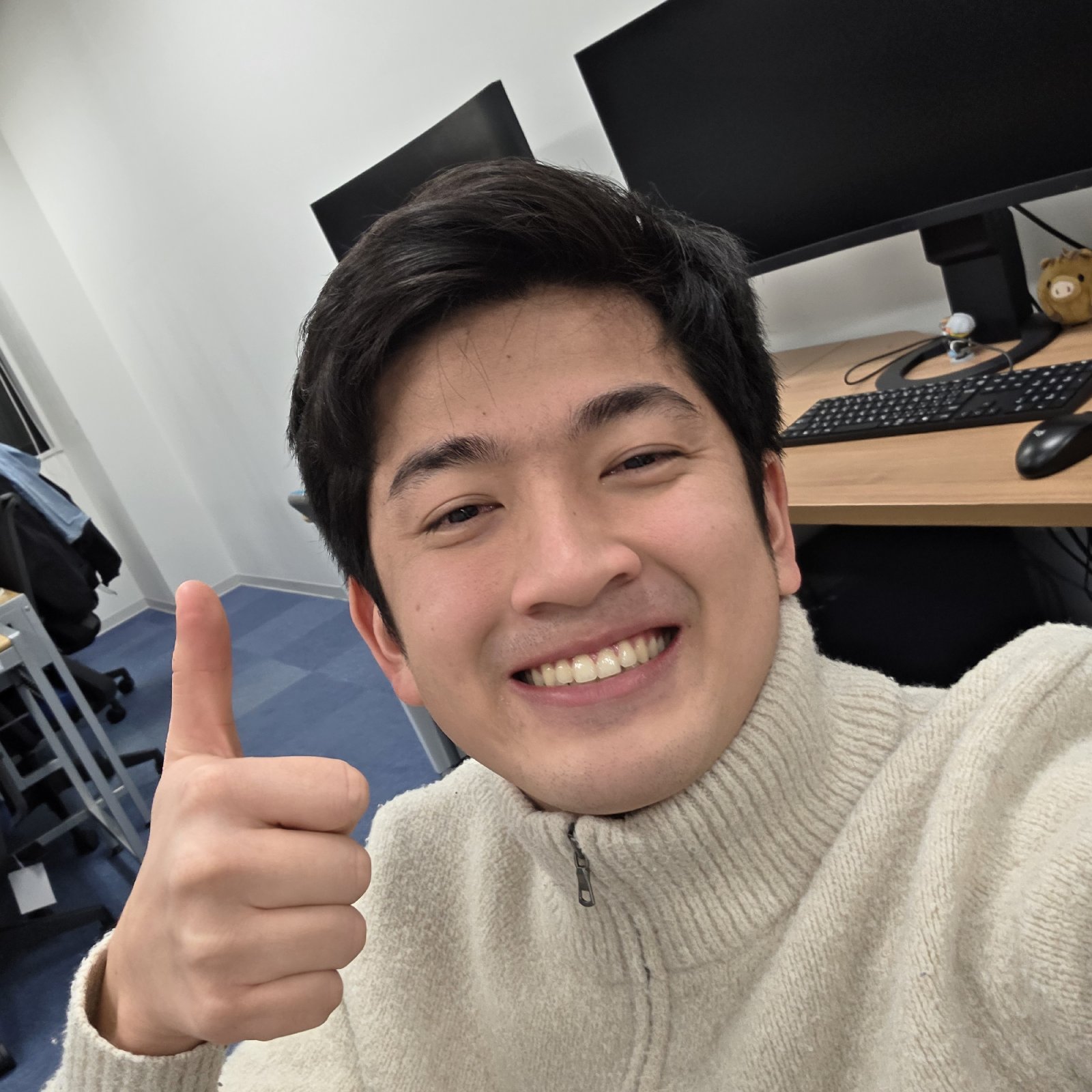
Ahmed Elboardy

Ahmed Elboardy

PhD Student (D2)

MEXT Scholarship
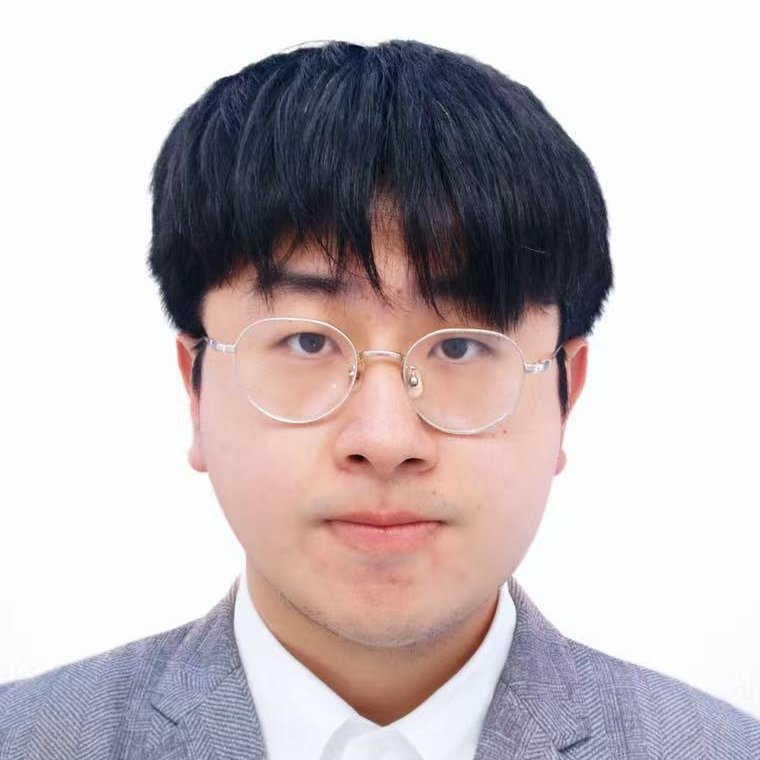
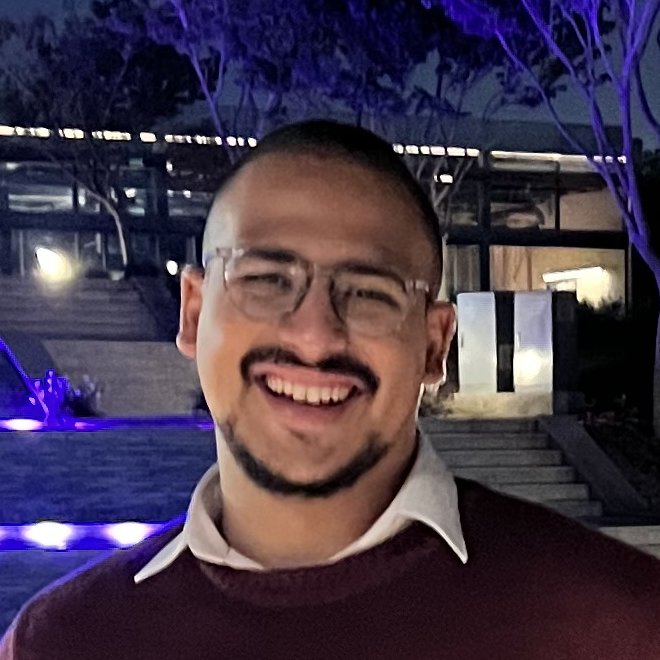
Yiming Jia

Yiming Jia

PhD Student (D1)

Senshu Scholarship
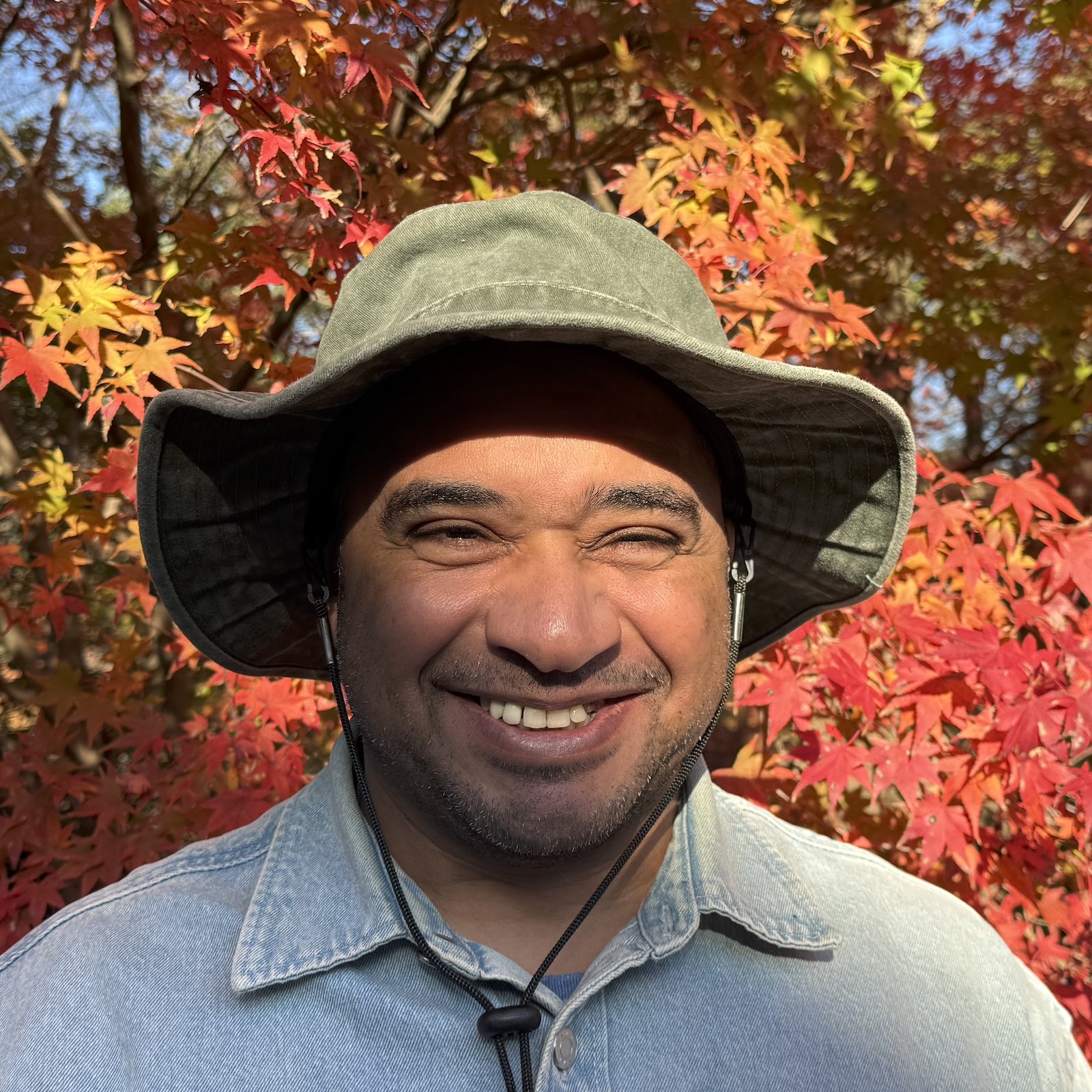
Mina Yousef

Mina Yousef

PhD Student (D1)

MEXT Scholarship
Makoto Kanehira

Makoto Kanehira

MSc Student (M2)

Joining soon...

Joining soon...

Research Student

Alumni

[2025] Hiroyuki Seshimo

Selected Publications

📝 Advances in Medical Image Segmentation: A Comprehensive Review with a Focus on Lumbar Spine Applications (2025)

Computers in Biology and Medicine

A. Kabil, G. Khoriba, M. Yousef and E. A. Rashed

📝 SHARM: Segmented Head Anatomical Reference Models (2025)

Biomedical Signal Processing and Control

E. A. Rashed, M. al-Shatouri, I. Laakso, S. Kodera and A. Hirata

📝 Deep learning-based development of personalized human head model with non-uniform conductivity for brain stimulation (2020)

IEEE Transactions on Medical Imaging

E. A. Rashed, J. Gomez-Tames and A. Hirata

View all publications →

Selected Awards

🏆 The Motohisa Kanda Award

Essam Rashed • 2025

IEEE EMC Society

🏆 MEXT Science and Technology Award (Development Category)

Essam Rashed • 2024

Minister of Education, Culture, Sports, Science and Technology (MEXT), Japan

🏆 Best Poster Award

Ahmed Elboardy • 2025

International Forum on Medical Imaging in Asia (IFMIA 2025), Takamatsu, Japan

View all award →

Join the Lab

We’re looking for

  • We are seeking highly motivated and intellectually curious students with a strong foundation in mathematics, programming (e.g., Python), and machine learning, who are passionate about advancing AI-driven medical imaging research and are eager to engage in rigorous, collaborative, and publication-oriented research within an international environment.

How to apply

  1. Email your CV + short research statement
  2. Include links to papers / code (if available)
  3. Write 2–3 topics you want to work on

Tip: If you’re applying for scholarships (JSPS/MEXT/etc.), mention the program and deadline.

Contact

Lab Information

Affiliation: Graduate School of Information Science, University of Hyogo
Address: 7-1-28 Minatojima-minamimachi, Chuo-ku, Kobe, Hyogo 650-0047, Japan
Room: Lab. number 601 (6th floor)